Faith & Traditions
Faith communities as part of Brandon civic life
A community magazine that ignores congregations would miss a layer of local life. Here is ours: interested, neutral and specific.
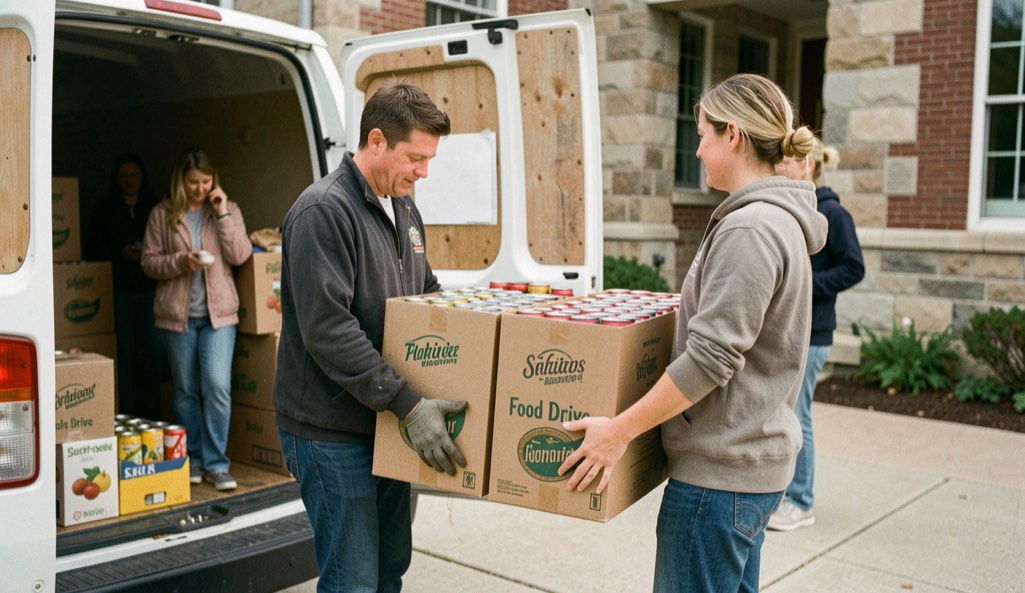
Any honest map of community life in a Florida town like Brandon has to include its congregations, because they operate one of the largest shares of the town's meeting space, volunteer capacity and calendar. Brandon Heart is a community magazine, not a religious one: we take no sides on doctrine and belong to no tradition. What we cover here is the civic layer, the part any neighbor can see regardless of belief.
What congregations actually host
Walk past any established congregation here on an ordinary week and you will find the building doing community work: food pantry distributions, scout troop meetings, support groups that need a free room, polling places on election days, blood drives, recovery meetings, English classes, holiday concerts open to everyone. The meeting hall is the real civic infrastructure, and it runs on evenings and weekends when other public buildings are locked. This is why our community gatherings guide counts congregational halls among the places where the town actually assembles.
The seasonal rhythm
The congregational calendar contributes several of the town's fixed points. Fall brings harvest festivals and food drives that stock the pantries before the holidays. December brings music programs, nativity displays and the charity tree programs that put gift tags for families in need where shoppers will see them. Spring brings Easter processions, community meals and the egg hunts that fill lawns on a Saturday morning. None of this is hidden; the invitations tend to say everyone welcome, and they mean it. The seasonal shape of the year, religious and civic at once, is laid out in our seasonal calendar.
Food drives and the pantry network
The single largest contribution of congregational life to the common good, in measurable terms, is food. Congregations organize collection drives, staff distribution shifts, and provide the storage and loading space that pantry logistics require. The fall drives and holiday basket assemblies are among the biggest volunteer mobilizations of the local year, and they run substantially on congregational networks alongside schools and civic clubs. Where those efforts connect to the wider volunteering picture, including what a newcomer can join, is covered in our volunteering guide.
| Contribution | When it peaks | What it looks like on the ground |
|---|---|---|
| Food collections and pantry shifts | October to December | Boxes from vans into hall doorways, sorted by crews |
| Meeting space for troops and groups | All year, weeknights | A free room with a locking door and chairs that fold |
| Holiday programs and music | December and spring | Concerts and displays advertised as everyone welcome |
| Seasonal child care gaps | Summer | Day camps and vacation programs run where gyms sit |
Youth programs and meeting space
- Scout troops and youth groups that need consistent, free, evening space.
- Summer day camps and vacation programs that fill the child care gaps of the season.
- Sports practices in gyms that sit empty on weekday evenings.
- Recovery and support groups whose first requirement is a room with no questions asked.
The civic layer keeps running when the seasonal calendar goes quiet. Summer is when congregational buildings host the day camps and vacation programs that fill the child care gap of the longest school break. Weeknights bring the troop meetings, the recovery circles and the classes that need a free room with a locking door. And the hard moments of local life, the memorials and the meal trains that follow a diagnosis or a loss, move substantially through these networks, which is why even readers who never attend a service still benefit from knowing how the layer works.
How a neutral magazine covers this
Our rule is simple and we state it openly. We cover congregations the way we cover any local institution that hosts public life: by what they organize, when they gather and what they contribute to the shared calendar. A reader of any faith, or none, should find these pages equally useful.
Care is the civic layer's quietest job; our guide to supported living in England explains how one country organizes it.
That rule has practical consequences. When we list the holiday season in the holiday traditions guide, congregational events appear beside the town parade and the school concerts, as fixtures of the calendar rather than as invitations to anything. When we explain where newcomers find community in the joining guide, congregational groups appear as one door among several, right next to the hobby circles, the sports leagues and the volunteer corps. The town works that way, so the magazine does too.
Common mistakes to avoid
Readers and writers alike stumble over this layer in predictable ways. The first mistake is assuming coverage of a food drive is an invitation or an endorsement; it is a calendar entry, and this page exists to say so plainly. The second is assuming secular is the same as civic: a scout troop that meets in a hall is still counting cans for the same pantry. The third is skipping an open community event over uncertainty about the ritual; the advertised rule at the door is nearly always the plain one, welcome. And the quiet mistake for organizers is assuming the magazine needs doctrine described; we need the time, the place and who the event serves.
Handled that way, the layer fits the town the way a hall fits a street: plainly, usefully, and without ceremony. Whether a reader crosses the threshold is nobody's business but the reader's, and the calendar is better when everyone knows what is on it.